

This week Boris Johnson tried to use brute political force to overturn conventions and norms that limit politicians’ power.
He has done it before, successfully proroguing Parliament, rejecting the judgements of the Supreme Court, and ignoring a bullying judgement against the home secretary.
On those occasions his skill was taking political risks predecessors wouldn’t, knowing how far to push Tory MPs while maintaining their support and the sheer level of disinterest from the public in political machinations, however unconventional.
This week is significant because he tried again to upend the established system – wanting to scrap the system to police MPs while clearing Owen Paterson – but he failed.
Many of the calculations initially appeared correct – on Wednesday evening he secured a parliamentary majority to block Mr Paterson’s suspension and crush the Parliamentary Commissioner for Standards off the back of heavily whipped Tory votes.
However he miscalculated the wider impact of railroading this through the Commons.
The backlash amongst constituents, parts of the media and ultimately Tory MPs whose distaste grew after the vote.
Overnight, the Parliamentary Conservative Party made clear they believe there ought, after all, to be limits on the prime minister’s ability to ride roughshod over the rules.
The mood was sulphurous.
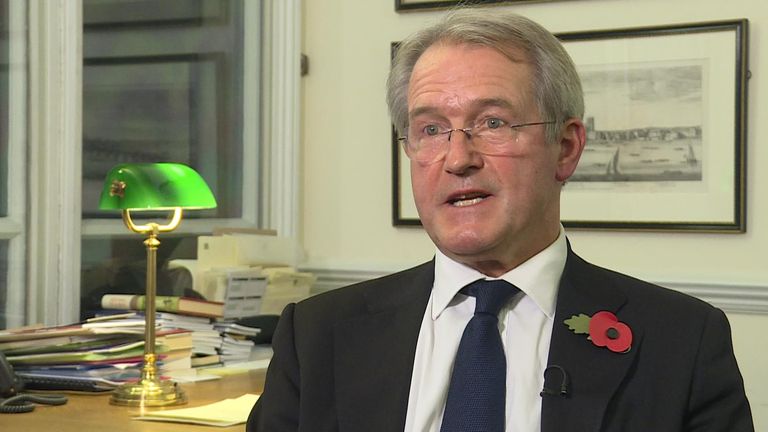
Mr Paterson’s interview with Sky News, where he said he “wouldn’t hesitate” to act in the same manner “tomorrow”, is understood to have been relayed to a deeply unimpressed prime minister, hours before he conducted the U-turn.
Source : skynews


