

While Europeans have enjoyed blaming successive American leaders for transatlantic discord, as evident, for instance, in the breakdown of transatlantic trust during the Obama-era NSA snooping in Europe, they all too often forget a simple fact.
According to a 2019 survey, a majority of Germans sharply disagreed with Americans both over military spending and their willingness to defend NATO allies against Russia, concluding that German-American relations were in dire straits.
In the previous year, seven out of 10 of Germans desired more foreign policy independence from the US, all the while wishing closer cooperation with Russia.
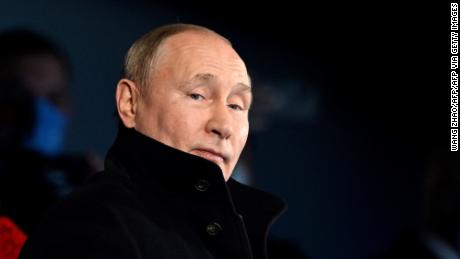
The narcissism of minor transatlantic differences shining through here created a disunited free world, which Russian President Vladimir Putin, the Taliban, President Xi of China, and many others have ruthlessly exploited.
Ever since the rules-based liberal world order started to be in free fall, Kremlin-aligned think tanks have been exploring how Russia can exploit the new anarchy in world affairs.
Putin’s war against Ukraine is thus not only a calamity in its own right. It is also a sign of what is to come across the globe in the years ahead. Yet with Putin trying to overrun Ukraine and the sudden massive shift in German defense policy, which saw Chancellor Olaf Scholz promise a 100-billion-euro boost in security spending, there finally is momentum in Germany and elsewhere in Europe for a ‘partnership in leadership’ to be forged.
In the shadow of Putin’s war, a revived transatlantic alliance that looks beyond the immediate crisis must emerge. Here’s how we can get there.
This is not a time for lofty speeches about the need for transatlantic unity. It is a time for decisive and immediate action aimed at turning the tide in Ukraine, followed by concrete steps to address the underlying reasons for the recent cascade of geopolitical disasters and consequent crisis of the free world.
In the short term, Europeans and Americans must open the…
Source : cnn


