

It’s more than 10 years since Tinder launched its way into our phones – and our love lives – promising romance at the swipe of a thumb.
Just under five million adults in the UK visited an online dating service (app and websites) last year, according to Ofcom’s Online Nation Report.
But analysts are questioning whether the novelty is starting to wear off, as usage of the 10 biggest apps dropped 16% between 2023 and 2024.
Tinder revolutionised romance as the first dating app in 2012 – and it is still the largest one in Match group’s portfolio. But even it lost more than half a million users in the last year.
“Dating fatigue” appears to dominate the cultural landscape – some 78% of dating app users say they feel “emotionally, mentally, or physically exhausted” by them, according to a 2024 study by Forbes Health, and a 2023 YouGov survey found that 46% of Brits say their dating app experiences have been bad.
I have stayed off the apps entirely, except for one impulsive evening with Hinge – one of the more popular ones among my age group. I’m not sure love can be found through swiping on a screen, and it seems I’m not alone.
So what exactly has gone wrong with finding modern love – and how can we hope to find a connection?
Frogs and filters
With 10% of adults visiting a dating site – and almost 4% visiting one daily according to Ofcom – there is no sign they are going anywhere fast, even if numbers are dropping.
Among the newcomers is Cherry.
It categorises users into three “vibes” – casual, go-with-the-flow and meaningful – to match intentions and ensure genuine connections.
There are also coaches available on the app because CEO Jo Mason believes people need to work on themselves before embarking on relationships with others.
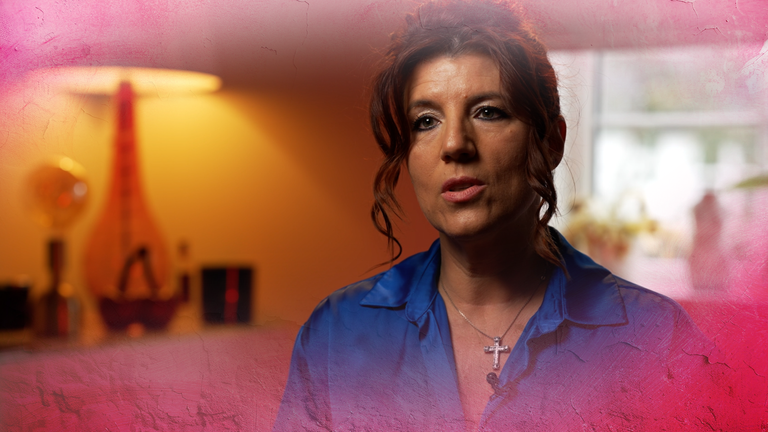
Jo Mason is the founder of Cherry
“They’re…


