

[ad_1]
Taiwanese pomelos, known for their juiciness and softness, are highly popular on both sides of the Taiwan Strait, especially during the Mid-Autumn Festival, an important holiday in Chinese culture that falls this year on September 10.
August and September are usually the busiest months for Li and other pomelo farmers in the Madou township, as they prepare for the harvest, but this year they’re facing an unexpected challenge: Chinese import bans.
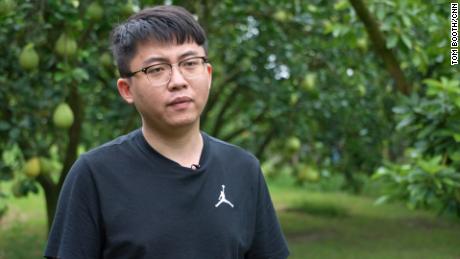
Li, who typically sends about 60% of his pomelo harvest to mainland China, said he was “very surprised” when he first learned about the export ban, describing the situation as “the most challenging” since the family business began in the early 2000s.
“I didn’t see the ban coming so far, we were caught off-guard,” Li said. “I can’t do anything, it’s some kind of political issue between Taiwan and China … we simply want to grow good fruits and sell them at a good price.”
‘Caught by surprise’
During the annual pomelo harvest, Li is usually busy on the phone finalizing deals with buyers in China and other parts of Asia as his 40 contractors pick the best fruit to be packed into boxes and sent abroad.
But this year, news of China’s sudden import ban threw his plans into disarray.
“When I heard about the ban, I immediately called my business partner in China to check whether this is really the case,” he said. “I was caught by surprise, because we already signed contracts and set the price, and even the shipment dates were already confirmed.”
“But now it’s all in vain, so we have to try to find ways to sell them to the domestic market,” he added.
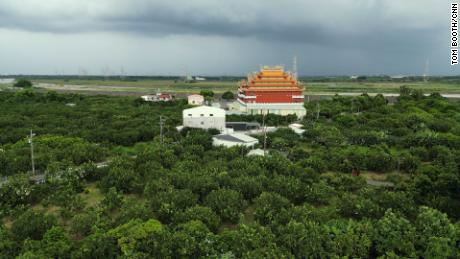
Li is not the only Taiwanese affected by China’s economic retaliation. According to statistics from Taiwan’s Council of Agriculture, Taiwan produced more than 82,000 tons of pomelo fruit last year, of which about 7% — or about 5,000 tons — were exported to mainland China.
Together with China’s import bans on other pomelo fruits and two fish products, the council estimated that Taiwanese…
[ad_2]
Source : cnn


