

[ad_1]
Getting around Beijing’s Olympic closed-loop bubble is not straightforward but traveling 100 miles (160 kilometers) from central Beijing to Zhangjiakou is an experience of its own.
The journey starts with Covid testing right outside my hotel – a daily ritual of life inside the bubble.
My first destination is the main media center, which serves as a hub for the three-dozen bus lines running in central Beijing — one of three “zones” inside the Olympic closed loop where the sporting events take place.
The media center is the only place I can catch a bus to the train station located in the northwestern suburb of the city.
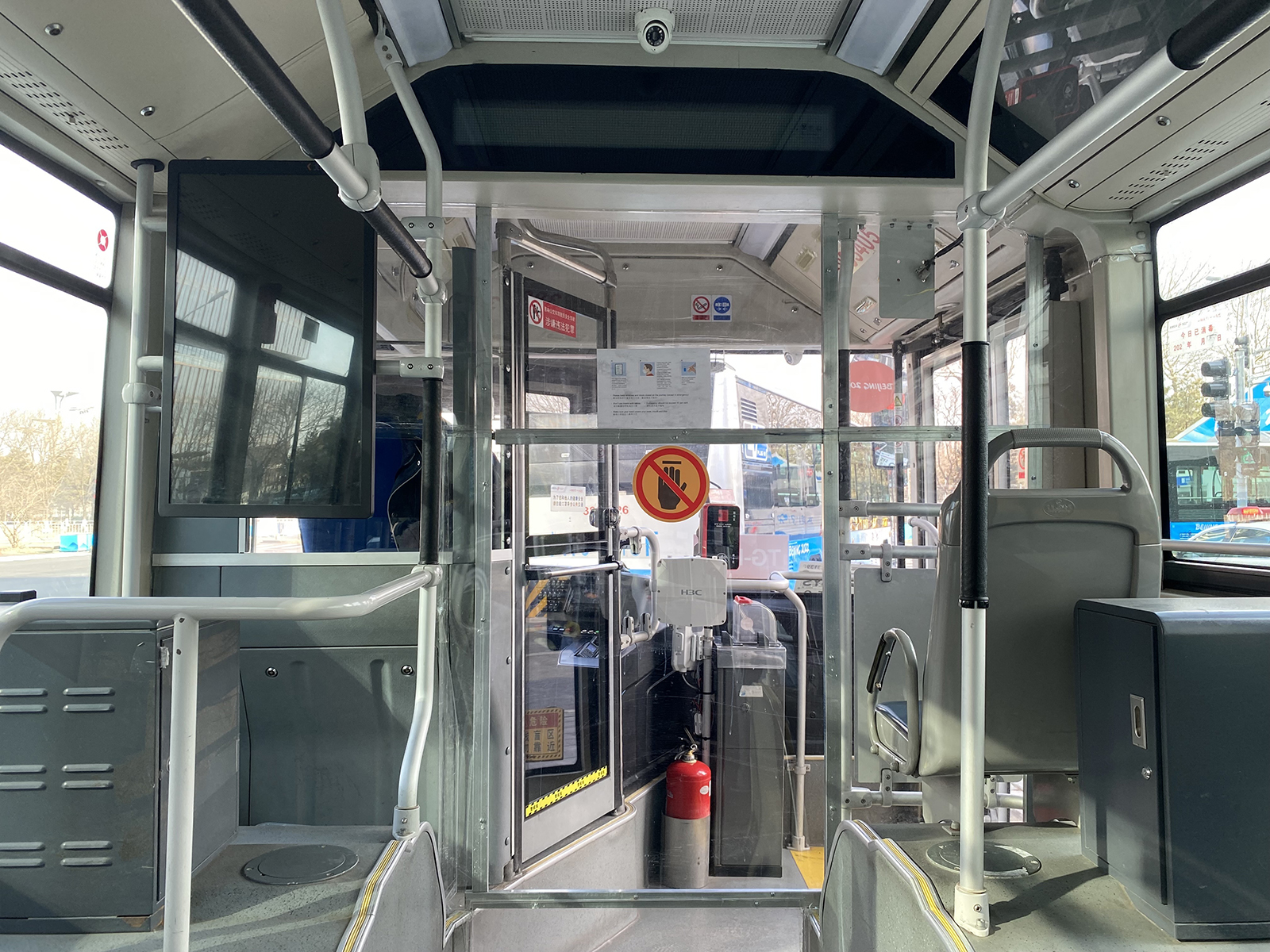
As the bus drives down the streets of Beijing, it becomes its own mobile mini-bubble, passing local residents going about their daily lives. The front of the bus is completely sealed off behind a thick transparent screen, intended to protect the driver against the spread of the virus.
After arriving at the media center, I wait half an hour for the bus to the Qinghe railway station. Then the drive takes another 20 minutes.
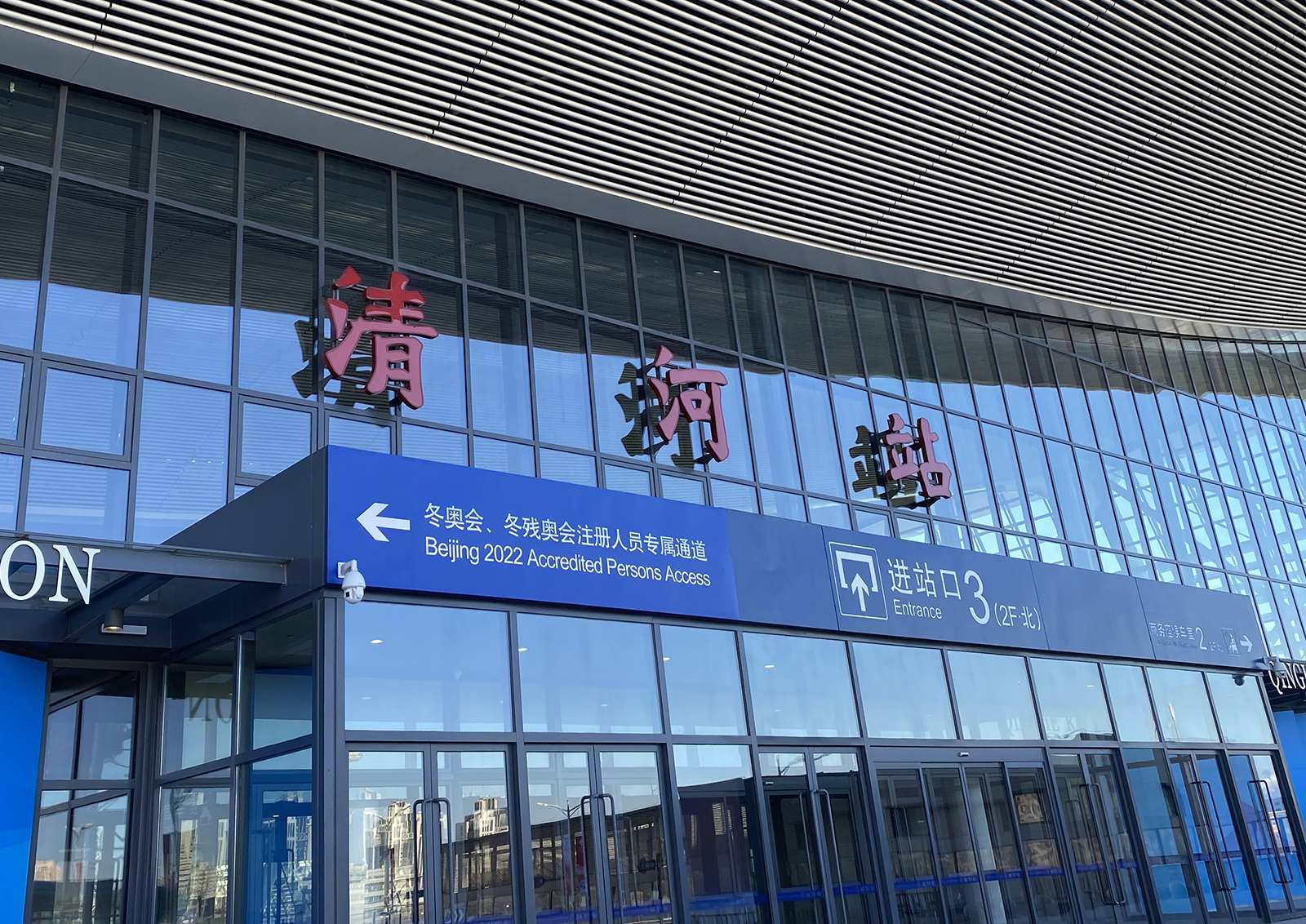
The railway station is split into two parts: one inside the Olympics bubble and one outside. We enter via a special gate for Olympics personnel to our own waiting room, with the main departure hall for local travelers sealed off behind glass walls.
There is no paper train ticket, only a QR code obtained in advance on a phone app. The check-in process is all contactless — you just scan the code and walk through the gate.
On the platform, even the train itself is divided: carriages 1 to 5 are for those within the bubble, and carriages 6 to 8 are for travelers outside it. A string of barricades prevent us from boarding the wrong carriages.
Inside the train, everything…
[ad_2]
Source : cnn


