

[ad_1]
Cyclones, typhoons, hurricanes: these extreme tropical storms often make headlines as they disrupt lives and leave devastation in their wake.
But what is the difference between them, and what causes them? Plus – why are storms given names?
What’s the difference?
Typhoons, cyclones and hurricanes are actually all technically the same thing: a tropical cyclone.
They are just referred to by different names based on where they form.
The term cyclone is used when the storms occur in the South Pacific and Indian Ocean.
They are referred to as typhoons when they appear in the Northwest Pacific.
And they are hurricanes when they appear in the North Atlantic, central North Pacific and eastern North Pacific.
What is a tropical cyclone?
A tropical cyclone is a rapidly rotating storm that begins over tropical oceans. It can vary in speed, size, and intensity.
The term tropical cyclone is used once a storm reaches maximum sustained winds of 74mph or higher.
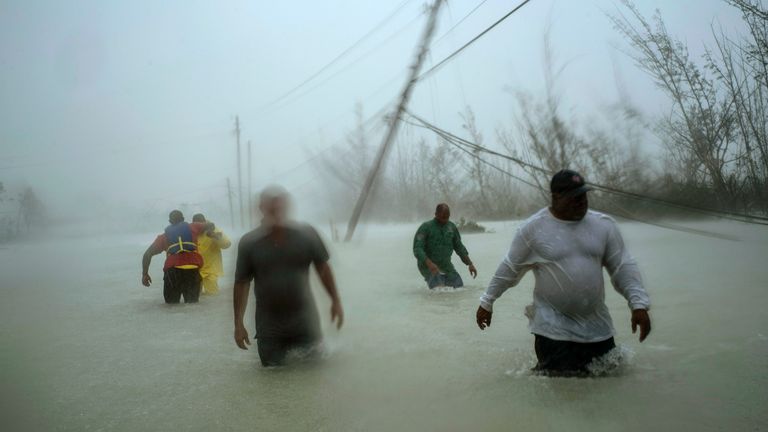
The aftermath of Hurricane Dorian in the Bahamas in September 2019. Pic: AP
They are measured by their winds, but they have other characteristics which can be severely damaging.
These include:
- Storm surges, which is a change in sea level caused by high winds. It can make waves reach 15 metres high, leading to danger for boats and sometimes significant flooding on land
- Heavy rain, as tropical cyclones can pick up two billion tonnes of moisture per day and release it as rain, again posing another huge flooding threat
- Tornadoes can sometimes be spawned by the storms, hitting land and causing extreme wind damage in concentrated areas.
More than 1,900 disasters have been attributed to tropical cyclones worldwide since 1970, according to the World Meteorological Organisation, resulting…
[ad_2]


