

The Food and Drug Administration (FDA) last month approved tests by US company Flowflex, saying the decision “should significantly increase the availability” of instant tests.
But the moves mark something of an 11th hour scramble for instant, or antigen, tests — and the US is lagging dramatically behind many countries, where rapid coronavirus tests have been cheap and plentiful for months.
In the UK, for instance, at-home testing has become part of a weekly routine for millions; a pack of several tests can be ordered for free online once a day, offering results in as little as 15 minutes and allowing Brits to check their Covid-19 status before heading to work, school, social events or large gatherings.
Other countries have embraced the technology too. Since March, every German citizen has been entitled to one free antigen test a week. Cheap rapid tests are offered to anyone in Italian pharmacies. In France, they cost only around 6 euros ($7) and are readily available to buy. And in Spain, the tests have been available for purchase since July at around the same price. Even despite those affordable rates, Madrid pharmacies say supply is outpacing demand, likely due in part to the country’s high vaccination rates.
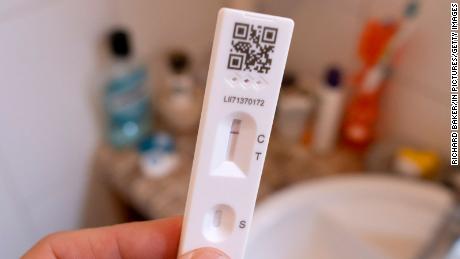
Yet more nations are just now starting to roll out the option; on Monday, rapid at-home tests finally hit the shelves of Australia’s pharmacies and supermarkets, after being approved for use in the country.
It’s been a different story in the United States though, where those wanting the peace of mind offered by a home test kit are usually met with empty pharmacy shelves or high prices.
The shortfall traces back in part to the early months of the pandemic, when the US was slow to prioritize testing for Covid-19. Last month, former US Centers for Disease Control and Prevention Director Dr. Robert Redfield, who led the agency under former President Donald Trump, admitted the US “was always behind” on testing through much of 2020.
The government could have done…
Source : cnn


