

Why is it always Barclays?
Yes, other UK lenders have had their fair share of boardroom drama turmoil in recent years, such as the way Royal Bank of Scotland – now NatWest Group – parted company with its former chief executive, Stephen Hester, at the behest of former chancellor George Osborne.
Lloyds Banking Group was embarrassed when its former chief executive, Antonio Horta-Osorio, saw details of an extra-marital affair plastered across the front page of The Sun.
Or recall how HSBC unceremoniously booted out its former chief executive, John Flint, in 2019 only to take more than seven months in naming Noel Quinn as his permanent successor.
But Barclays, which following the resignation of Jes Staley is now on to its fifth chief executive in just over a decade, tops them all for boardroom thrills and spills.
Mr Staley’s predecessor, Antony Jenkins, was fired by the bank’s former chairman, John McFarlane, after an internal battle over the size and scale of the group’s investment banking division – a dispute that felled an earlier Barclays chief executive, Martin Taylor, in 1998.
Mr Jenkins, in turn, had succeeded Bob Diamond, who was fired over Libor-rigging on the orders of Mervyn King, then governor of the Bank of England.
He had succeeded John Varley, who was later subjected to a five-year investigation by the Serious Fraud Office and later charged with conspiracy to commit fraud over the bank’s fundraising in 2008, which helped it stave off being part-taken into state ownership.
Mr Varley was subsequently acquitted.
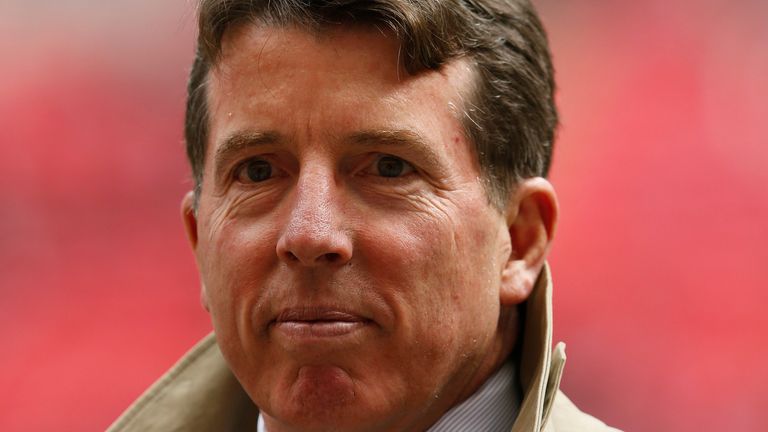
Bob Diamond was fired over Libor-rigging
And now this. It feels, at times, as if Barclays is a cursed institution.
This is, after all, the bank in which, when Mr Taylor left, his successor, Michael O’Neill, lasted all of one day before…
Source : skynews


