

Diane Gall’s husband, Martyn, had been out on a morning bike ride with his friends on their usual route one winter morning in November 2020 – when he was killed by a reckless driver.
Diane and her daughters had to wait almost three years for her husband’s case to be heard in court.
The case was postponed three times, often without warning.
“You just honestly lose faith in the system,” she says.
“You feel there’s a system there that should be there to help and protect victims, to be victims’ voices, but the constant delays really take their toll on individuals and us as a family.”
The first trial date in April 2022 was cancelled on the day and pushed four months later.
The day before the new date, the family were told it wasn’t going ahead due to the barristers’ strike.
It was moved to November 2022, then postponed again, before eventually being heard in June the following year.
“You’re building yourself up for all these dates, preparing yourself for what you’re going to hear, reliving everything that has happened, and it’s retraumatising,” says Diane.
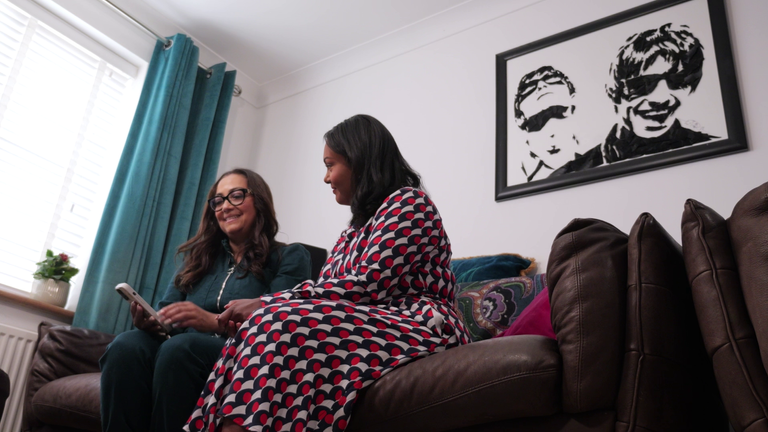
Diane Gall and Sky correspondent Ashna Hurynag
‘Radical’ reform needed
Diane’s wait for justice gives us an insight into what thousands of victims and their families are battling every day in a court system cracking under the weight of a record-high backlog.
There are 76,957 cases waiting to be heard in Crown Courts across England and Wales, as of the end of March 2025.
To relieve pressure on the system, an independent review by Sir Brian Leveson last month made a number of recommendations – including creating a new division of the Crown Court known as an intermediate court, made up of a judge and two magistrates, and allowing defendants to choose to be tried by judge alone.
He said only “radical” reform would have an impact.


