
Countless horror stories linked to social media – but a ban for childr

[ad_1]
For months, the UK has felt like it’s barrelling towards banning under-16s from social media.
Spurred on by Australia’s ban, campaigners and MPs have brought the idea of a teenage ban into the UK’s mainstream, and now the government is consulting the public on what it thinks should happen.
Among adults, it’s a popular idea; a YouGov poll found that nearly three-quarters of UK adults want to ban under-16s from social media.
It’s easy to understand why; we’ve reported on countless horror stories of parents finding their children dead in bedrooms after being exposed to harmful content. We’ve covered sextortion, child sexual abuse, blackmail and more, all happening on social media platforms.
It’s reached the point where people impacted by these nightmare circumstances have had enough; if these companies can’t be trusted to look after our children, they say, we need to take them off the platforms.
But this isn’t a cut-and-dried case. There are a lot of people worried about the impact of social media on children who argue a ban isn’t the right idea.
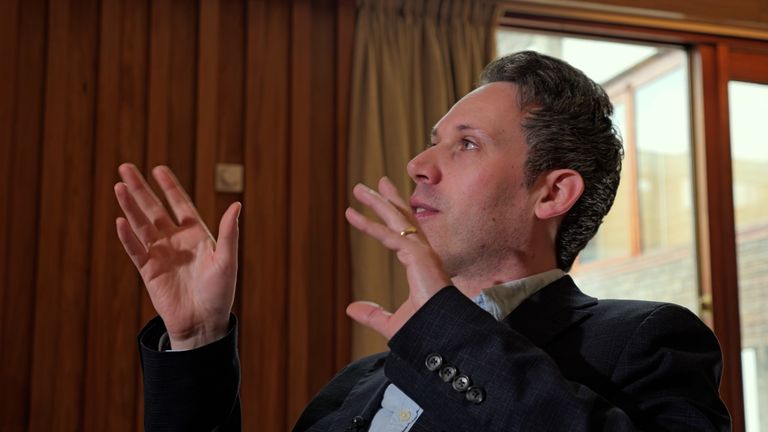
Professor Sander van der Linden says there is ‘zero evidence’ to support a ban
Take Professor Sander van der Linden, a Cambridge psychology researcher who has studied the impact of social media for years.
He said there is “zero empirical evidence” to support a ban, and recently wrote a piece in the science journal Nature arguing against it.
“Blindly instituting wholesale bans for teens takes the ‘evidence’ out of evidence-based policy,” he argued.
But he isn’t saying that things should just stay the same.
In fact, he wants children as young as four to begin digital literacy education to protect them in the future and, crucially, wants social media companies to be held more responsible for building safe platforms in the first place
That’s what I was repeatedly told when researching the case against a social media ban.
[ad_2]


