

[ad_1]
The Bank’s decision to hold rates did not come as a surprise but the vote was more unified than expected.
It suggests concerns about inflation are niggling away at policymakers, even though economic growth has gone into reverse.
The headwinds are coming from home and abroad. Donald Trump has injected a big dose of uncertainty into the global economy and policymakers are grappling with the possible fall out, both for growth and inflation.
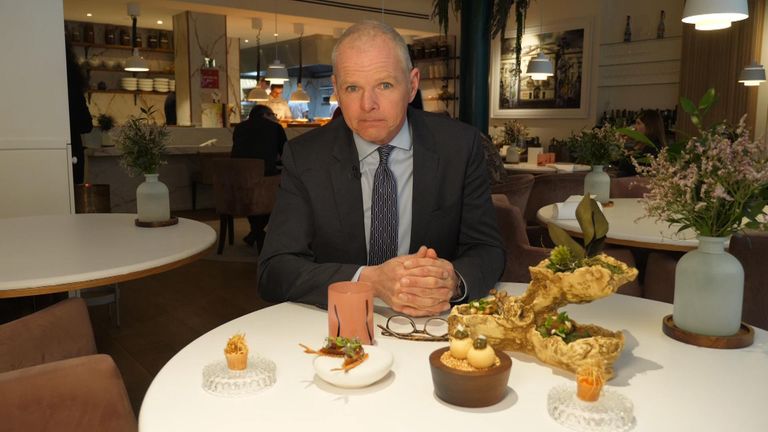
Money latest: Top chef rages at modern phenomenon in restaurants
That was the backdrop to today’s decision. While financial markets were confident that the Bank would respond by holding rates, it was not a given. Policy uncertainty is also bad for the economy and we are struggling on the growth front.
The economy is stagnating and the jobs market is cooling, with a sharper slowdown coming down the road when Rachel Reeves’ national insurance contribution increases come into force next month.
The spring statement later this month is also likely to include big spending cuts and possible tax rises, which could depress economic activity. Usually, this would be a strong cue for policymakers to start cutting rates and, for months now, there has been a growing clamour urging them to move faster.
Yet, they were almost unanimous in deciding to pause. Why?
The picture is complicated because the inflationary tiger is still lurking and the fear is that a temporary jump in inflation could become embedded.
[ad_2]


